Cloud and edge computing: architecture and use cases
Businesses need to manage, analyse and process data across a growing range of locations and devices. Centralised computing alone may not meet workloads that require low latency, local resilience or immediate processing.
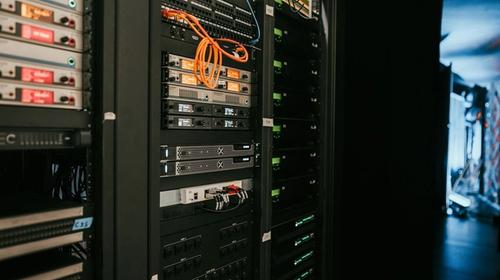
Cloud and edge computing address different parts of this challenge. Cloud computing provides centralised, scalable resources for storing and processing large volumes of data. Edge computing decentralises selected processing by bringing computation closer to the data source, reducing latency and supporting faster responses.
A hybrid architecture can combine centralised and decentralised processing. It allows organisations to use the flexibility and scale of cloud platforms while placing latency-sensitive work closer to devices and users.
As more industries embrace this synergy, it is crucial to understand how these technologies complement each other and drive innovation in data management, analytics, and overall business performance.

Understanding the Fundamentals
What is Cloud Computing?
Cloud computing refers to the delivery of services such as servers, storage, databases, networking and software over the internet. It centralises resources and gives businesses access to flexible capacity on demand, reducing the amount of infrastructure they need to operate on their own premises.
What is Edge Computing?
Edge computing decentralises data processing by bringing it closer to where data is generated. This can reduce latency and minimise bandwidth use. It is useful where immediate responses are critical, including autonomous vehicles, industrial automation and IoT applications.
The Power of Integration: Cloud Meets Edge
Cloud computing supports centralised processing and storage, while edge computing is optimised for localised, real-time processing. Used together, they allow organisations to place each workload according to its latency, connectivity, security and scale requirements.
Enhanced Efficiency
Data is processed at the edge for immediate needs while non-urgent data is sent to the cloud for further analysis and storage.
Scalability and Flexibility
The cloud provides elastic resources, while edge devices handle localised processing, allowing businesses to scale without moving every task to one environment.
Cost Optimisation
By processing selected data at the edge, organisations can reduce bandwidth and cloud storage costs.
Improved Reliability
In cases of network disruptions, edge devices can operate independently, ensuring continuity of critical functions.
Practical Applications Across Industries
Smart Cities
Edge devices collect and process data locally for applications such as traffic management and public safety, while the cloud provides centralised monitoring and broader analytics.
Healthcare
From wearable health monitors to telemedicine platforms, edge-cloud integration supports real-time patient care with secure data storage. Hence the real-time patient monitoring systems process critical data locally for immediate action while storing comprehensive records in the cloud for long-term analysis.
Retail
Edge computing can support personalised in-store experiences, while the cloud supports inventory management and predictive analytics. Smart shelves and IoT-enabled systems can provide local inventory updates, with broader trends analysed in the cloud.
Manufacturing
Smart factories use edge computing for real-time equipment monitoring and cloud-based AI for predictive maintenance. Industrial IoT devices can detect anomalies and trigger immediate actions, while cloud services analyse production trends and optimise workflows.
Autonomous Vehicles
Edge computing enables split-second decision-making for vehicle navigation, while cloud systems support map updates and machine learning improvements.
Challenges and Considerations
Cloud and edge integration introduces several design and operating challenges:
Security
Ensuring data security across distributed systems requires robust encryption and monitoring.
Interoperability
Reliable integration between edge devices and cloud platforms requires standardisation and compatible interfaces.
Cost Management
Balancing investments in cloud and edge infrastructure can be complex.
Why Softobiz?
We help organisations address the security, interoperability and cost-management decisions involved in cloud and edge architecture through:
Security controls
We implement advanced encryption, continuous monitoring, and comprehensive security protocols to protect your data across distributed cloud and edge environments.
Interoperability
Our team specialises in connecting edge devices and cloud platforms through defined interfaces, controlled data flows and observable integration points.
Cost-Effective, Scalable Solutions
We work with your team to develop optimised infrastructure that balances cloud and edge investment against performance, resilience and scale requirements.
The result is a workload architecture in which cloud and edge resources have explicit roles, operating controls and cost boundaries.
Embracing the Future
Using the complementary strengths of cloud and edge computing can create a flexible data environment that adapts as workload and customer requirements change.
As organisations adopt hybrid models, the central question is where each workload should run. Matching placement to latency, connectivity, security and operating needs creates a more adaptable architecture than applying either cloud or edge computing everywhere.