

TECHNOLOGY AND SAAS
Product engineering for technology and SaaS businesses
We work with product teams on AI features, platform modernisation and reliable releases. Our engineers bring architecture, data and delivery expertise to your roadmap, with experience building SaaS platforms used at scale.
- Seven product platforms already in production
- AI features with human review where it counts
- Built to the standards your customers audit
Product delivery with a dependable platform.
We help product teams balance new capabilities with the architecture and operational work needed to support them.
Delivery capacity
Roadmap work competes with maintenance and support demands on the same team.
Platform evolution
Tenancy, integration and deployment choices need to support the next stage of the product.
Buyer requirements
Enterprise customers need clear evidence of security, reliability and operating controls.
Engineering capabilities for software products.
Explore product engineering, AI and platform services delivered alongside your team.
AI-native features
The AI capabilities your customers are asking for, RAG assistants, drafting, intelligent search, built into your product with review where it counts.
EXPLORE02Product and platform development
Full-stack product engineering from architecture to release, carried by a pod that stays with the product.
EXPLORE03SaaSification and modernisation
Single-tenant to multi-tenant, monolith to services, with staged migration and release planning.
EXPLORE04Usage and product analytics
Use product telemetry to understand adoption and inform retention, pricing and roadmap decisions.
EXPLORE05Capacity to hit the roadmap
A dedicated pod or a full capability centre, aligned to your standards, codebase and delivery priorities.
EXPLOREProduct platforms we engineered to scale.
 EASYWEBINAR · SAAS
5.9M+
A public snapshot records 31,811 webinars and 5.9M+ attendees.
Softobiz engineered EasyWebinar into a platform for live and automated webinars. The published 2019 case-study snapshot records the audience scale shown here.

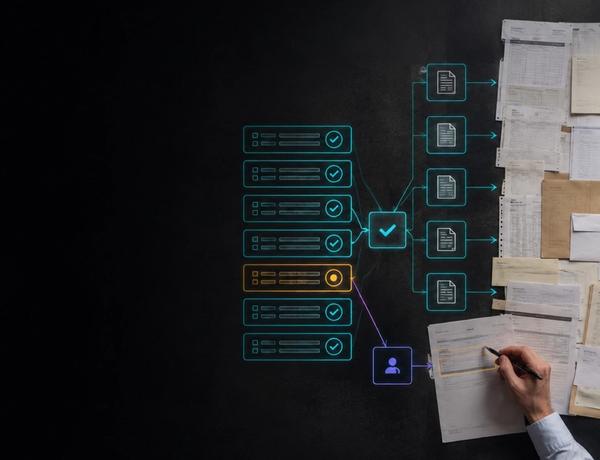
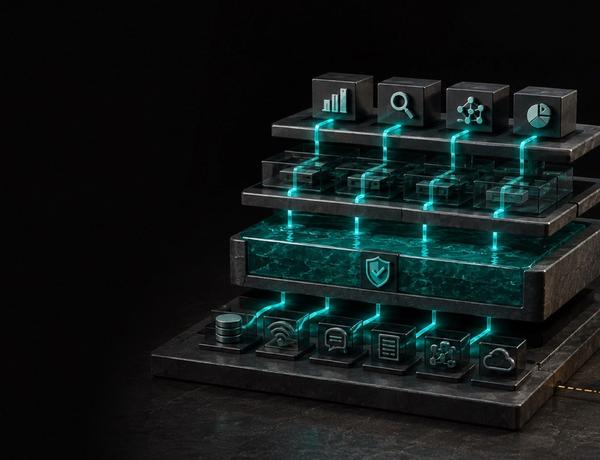
Engineering decisions across the product lifecycle.
A product needs an assistant
Product data and permissions define what the assistant can retrieve and do. The team evaluates output quality and agrees review and escalation rules before release.
A service needs to support more customers
The team reviews tenancy, workload and data boundaries, then stages the architecture change with validation and rollback criteria.
Incidents are consuming roadmap capacity
Telemetry and incident history guide reliability work. Product and engineering owners agree priorities and track service behaviour after the changes.
Controls for enterprise software requirements.
Access control, encryption, tenancy isolation, and audit logging are designed in from the first sprint, so the security questionnaire is a checklist, not a scramble.
Where your product handles regulated data, payments, health, procurement, we carry the relevant controls into the architecture, and we document them the way an enterprise buyer expects to read them.
- Tenancy isolation and access control by design
- Encryption and audit logging as defaults
- Compliance posture documented for buyer audits
- Human review designed into AI features
Continuity across the product lifecycle.
A codebase rewards the engineers who know why it looks the way it does. Through our Global Capability Centre and dedicated-team model, we retain product knowledge through ongoing delivery and documented handovers.
You can also start narrow with a dedicated delivery pod and scale to a full capability centre as the roadmap grows.
Questions about product engineering.
Yes. We agree responsibilities, development practices and communication with your existing team so delivery follows your product priorities.
We start with the user task, permissions and available data, then define evaluation and operational requirements for a bounded feature.
You retain the product roadmap, priorities and IP. The delivery team works within the agreed engineering and operating responsibilities.

Discuss your product roadmap.
We can review the product capability or platform constraint you want to address and define the engineering work with your team.