

ROBOTIC PROCESS AUTOMATION
Robotic process automation services
RPA is at its best doing exactly one thing: executing high-volume, rules-based work faster and more reliably than a person, on systems and screens that do not change. When the work fits, it delivers some of the fastest ROI in enterprise IT. The failures come from asking bots to do a job they were never suited for.
- Bots pointed only at work that is genuinely rules-based
- The variable rest handed to AI agents, not forced onto scripts
- A full lifecycle that keeps automations paying out after go-live
The most important RPA decision is whether the work is RPA work at all.
A bot that keeps breaking is usually a process that never belonged to a bot.
This is the fit test we run on every candidate. Where the work is variable, we reach for AI agents and intelligent document processing, often with a bot handling the deterministic steps and the agent handling the ambiguity. Most durable automations are a blend, not a purist choice.
A process that lives in the right-hand column is not a bot failure waiting to happen. It is an agent job, and we build it that way from the start.
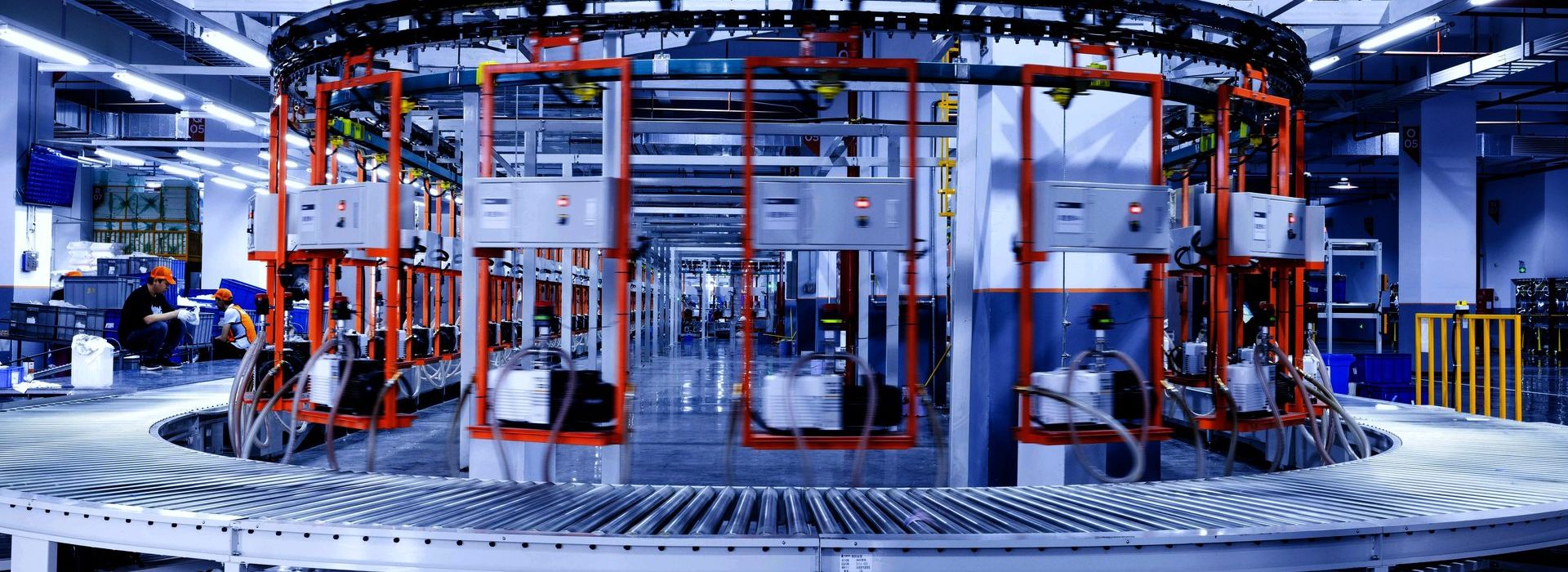
A bot that keeps breaking is usually a process that never belonged to a bot.
Bots are not a project. They are an estate that has to be kept alive.
Qualify
Apply the fit test and confirm the process is stable, high-volume, and rules-based enough to earn a bot.
Design
Map the process, define exceptions and human hand-offs, and design for change so a minor screen update does not mean a rebuild.
Build
Develop attended or unattended bots with reusable components, clear logging, and error handling as a first-class concern.
Test
Validate against real data and edge cases, not just the happy path, before anything touches production.
Deploy and orchestrate
Release into a managed environment with scheduling, queues, and monitoring in place.
Monitor and maintain
Watch bot health, catch drift when systems change, and fix before a break becomes a backlog.
Steps five and six are where most programs quietly fail. They are also where our model is built to hold.
Enter where you need to, from strategy to a fully managed bot estate.
RPA Strategy and Consulting
The plan to build, or fix, an RPA program that returns value.
Process Discovery and Analysis
Finding and qualifying the processes actually worth automating.
Bot Development and Customization
Attended and unattended bots built to be maintained.
Web Scraping and Data Extraction
Structured data capture, built with compliance and site terms respected.
RPA Managed Services
Ongoing operation, monitoring, and repair of the bot estate.
Tooling is not the differentiator. Ownership is.
We build within the UiPath and Microsoft Power Automate ecosystems, platforms you can staff, govern, and trust.
But bots break when systems change, and an estate without a clear owner decays into a maintenance tax. Through our dedicated-team model, the same pod that builds your bots watches them, so a screen change becomes a quick fix instead of a silent failure discovered by an angry customer.
[XX%] reduction in target-process handling time, and [XX] bots typically under active monitoring. Placeholders, industry-typical; Softobiz to verify.
The right bots, watched by the team that built them.
Outcome: For a global enterprise client, we qualified the processes that genuinely fit RPA, built attended and unattended bots designed for change, and cut target-process handling time by [XX%] while keeping [XX] bots under active monitoring. Softobiz to supply verified engagement and metrics.
What leaders ask before they invest in bots.
We run a fit test on every candidate. Structured inputs, fixed and explicit rules, stable screens, rare and well-defined exceptions, and a low cost of a wrong step all point to RPA. Unstructured inputs, judgment calls, and changing systems point to an AI agent instead.
It goes to AI agents and intelligent document processing, not onto scripts that will shatter. Most durable automations are a blend: a bot handles the deterministic steps and an agent handles the ambiguity.
Because deploy, orchestration, monitoring, and maintenance are treated as afterthoughts. Bots break when systems change, and an estate without a clear owner decays into a maintenance tax. Our lifecycle and dedicated-team model are built to hold exactly there.
We build within the UiPath and Microsoft Power Automate ecosystems, platforms you can staff, govern, and trust. But tooling is not the differentiator; ownership is, and the same pod that builds your bots watches them.

Bring us the repetitive work draining your team. And the bots that keep falling over.
We will tell you what belongs to a bot, what belongs to an agent, and how to keep both running.