

RPA SUPPORT AND MAINTENANCE
RPA support, monitoring and maintenance
An automation that ran perfectly at go-live is a snapshot, not a guarantee. The applications it drives keep changing: a vendor pushes a UI update, a field moves, an authentication flow adds a step. RPA support and maintenance keeps that from becoming an outage, watching bots in production, catching breakage before it reaches a queue, and fixing it under terms you can measure.
- Proactive monitoring that signals before users report a problem
- Severity-based response and resolution under a measurable SLA
- Root-cause fixes that engineer out recurring breakage
A short list of predictable failure modes.
Most bot outages trace back to the same handful of causes. Naming them is the first step to preventing them.
Support and maintenance is the operating layer beneath Robotic Process Automation, and it pairs with Implementation and Managed Services when you want us to run the full estate.
Selector and UI drift
The target application changes its layout or DOM, and brittle selectors stop matching. The most common cause of silent failure.
Credential and session expiry
Password rotations, token timeouts, and MFA changes lock a bot out with no human to notice. Access fails quietly, at 3am.
Data-shape surprises
An input file gains a column, a date format flips, an upstream system sends an empty payload. The logic never anticipated it.
Environment change
OS patches, browser updates, and infrastructure migrations move the ground the bot stands on. Stable code, shifting foundation.
Exception build-up
Small unhandled cases accumulate into a backlog of failed transactions. It erodes the ROI that justified the bot.
Orphaned knowledge
The person who built the automation leaves, and no one else can safely change it. The estate becomes untouchable.
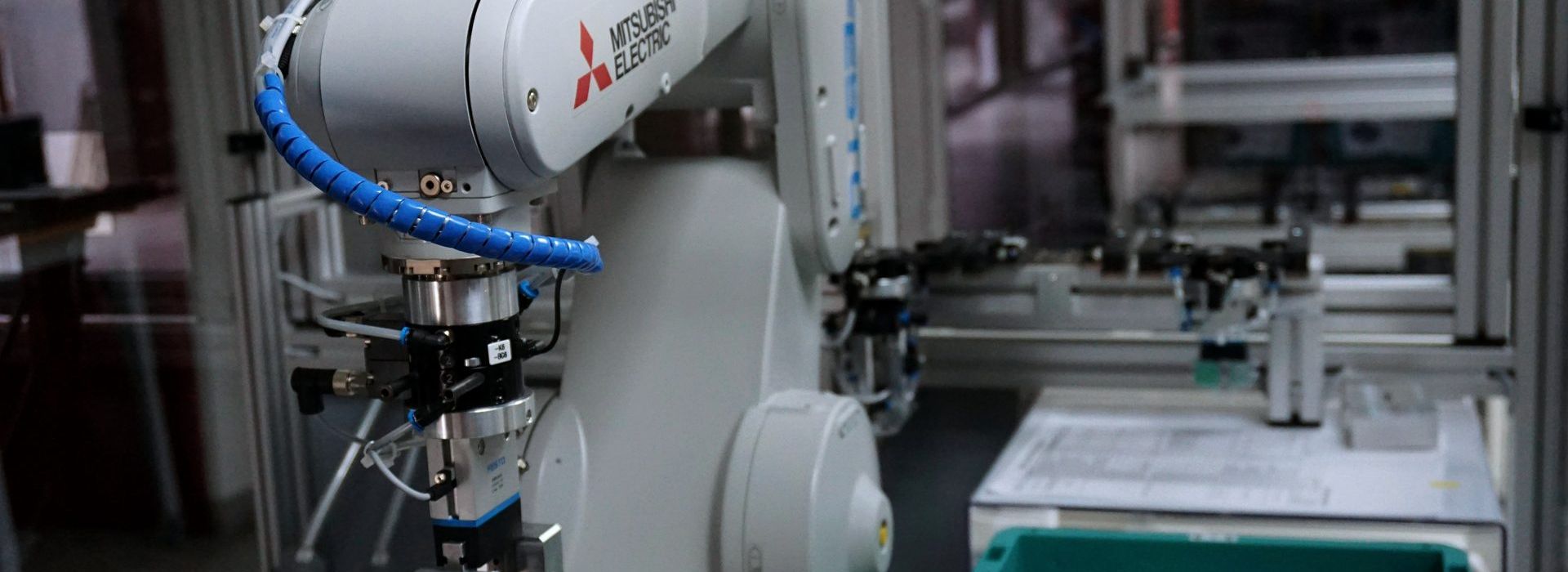
Catch breakage before it reaches a queue, not after a customer complains.
Five steps, from health baseline to engineered-out breakage.
Onboard and baseline
Inventory bots, document dependencies, and record a health baseline: success rate, handle time, exception patterns.
Monitor proactively
Instrument runtime telemetry and alerting, so a drop in success rate raises a signal before users report it.
Triage and fix under SLA
Classify incidents by severity and resolve within agreed windows, capturing root cause, not just the symptom.
Harden against recurrence
Resilient selectors, better exception handling, and change-resistant design so the same failure does not return.
Report and improve
Regular reporting on fleet health, incident trends, and the maintenance backlog, so support becomes insight.
Response sized to the criticality of the automation.
Windows below are illustrative and set per engagement. SLA targets are industry-typical and confirmed with you before work starts.
Figures are placeholders; Softobiz to verify against your fleet.
From silent drift to a fleet you can trust.
Challenge: A [global enterprise client] ran [X bots] unmonitored; breakage surfaced only when a queue backed up, and each fix was a fresh scramble.
Result: Proactive monitoring caught [XX%] of incidents pre-report, downtime fell [XX%], and recurring failures were engineered out. (Softobiz to verify.)
The rest of the Low-Code and automation practice.
Implementation and Managed Services
The broader model where we build to standard and run the full automation estate under SLA.
Low-Code No-Code App Development
New automations and apps built to last through change, ready for maintenance.
App Migration and Modernization
Reshaping the applications your bots depend on when they change underneath.
Experiment as a Service
Prove an automation idea in a fixed sprint before you commit to a build.
Microsoft Dynamics 365 and Power Platform
Business apps and low-code automation on the Microsoft stack.
Low-Code Development
The parent practice this service belongs to.
What automation owners ask us first.
Yes. Onboarding starts with a discovery pass to document each automation and its dependencies, so we can maintain an inherited estate safely rather than rebuilding it blindly.
Support and maintenance keeps existing automations healthy against change. Implementation and Managed Services is the broader model where we also run infrastructure, scheduling, and new development end to end.
Both. We restore service fast under SLA, then fix the underlying cause so recurring breakage is engineered out rather than restarted forever.
Let’s baseline your fleet’s health and put every fix behind a measurable service level.
Proactive monitoring, severity-based SLAs, and root-cause fixes, so drift never becomes an outage.